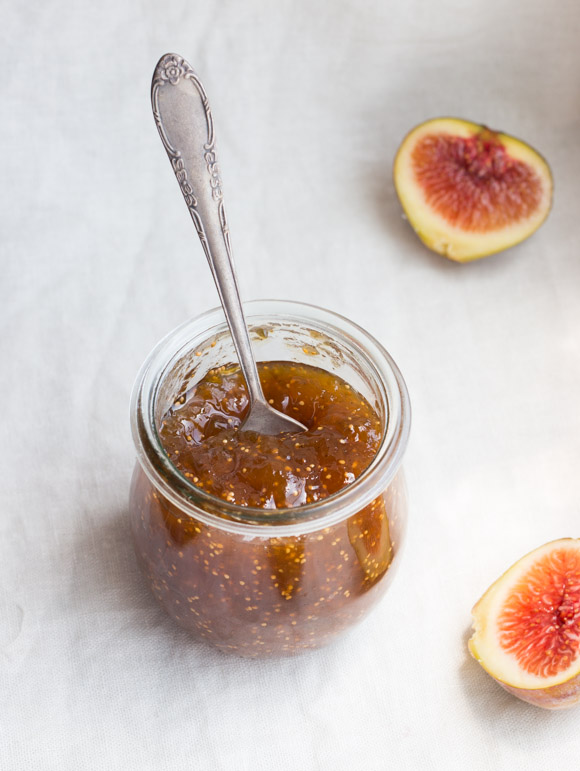
Quick Homemade Fig Jam: Transform Meals in Under an Hour
Imagine enriching your everyday meals with a burst of sweet, natural flavor, all crafted in your own kitchen in less time than it takes to watch an episode of your favorite show. Sound too good to be true? Not when it comes to a truly
simple fig jam recipe. Forget the myth that jam-making is a laborious, all-day affair. With just a handful of wholesome ingredients and minimal active effort, you can create a luscious fig jam that will revolutionize your breakfasts, snacks, and even savory dishes.
This isn't just another jam recipe; it's a testament to the power of fresh, simple ingredients. Unlike many traditional jam methods that demand a high sugar-to-fruit ratio and specialized pectin, our approach focuses on the inherent sweetness and gelling properties of figs themselves. The result? A vibrant, naturally sweet spread that's bursting with flavor and far healthier than most store-bought alternatives. Whether you're a seasoned preserver or a complete novice in the kitchen, this quick and easy method promises delicious success every time.
Why Homemade Fig Jam is a Game-Changer (and So Easy!)
The allure of homemade jam often bumps up against the perception of time commitment and complexity. Many people envision hours spent stirring over a hot stove, dealing with complicated setting agents, and a mountain of cleanup. This
simple fig jam recipe shatters those preconceived notions, making it an absolute game-changer for busy home cooks.
One of the most compelling aspects of this recipe is its incredible speed. While the average homemade jam can indeed take over an hour of active cooking and cooling, you can have a batch of this delicious fig jam ready for the jar in as little as 45 minutes total, with a mere five minutes of hands-on preparation. This efficiency means you can whip up a batch on a weekday morning or even a lazy Sunday afternoon without sacrificing your entire day. If you're looking for an even faster solution, explore our
Minute Prep Fig Jam: Easy, No Pectin Recipe for Busy Cooks for tips on minimizing every step.
Beyond speed, this jam stands out for its healthier profile. Traditional jam recipes often call for a 1:1 ratio of sugar to fruit, leading to an overly sweet product. Our method embraces the natural sweetness of figs, utilizing significantly less sugar – often just a third of the amount found in conventional recipes. This not only results in a more balanced flavor but also offers a lower-glycemic option, especially if you opt for sugar substitutes. While this reduction in sugar might slightly alter the shelf life of unprocessed jams, it’s a trade-off many are willing to make for a less cloying, more fruit-forward taste experience.
Another fantastic benefit is the ability to control the texture. While technically "jam" is made with mashed fruit and "preserves" contain whole or large pieces, this recipe allows for delightful versatility. You can mash the figs thoroughly for a smoother spread or leave larger chunks for a more rustic, preserve-like consistency. It's your kitchen, your jam, your rules!
The Magic Four (or Five) Ingredients for Your Simple Fig Jam Recipe
The beauty of this
simple fig jam recipe lies in its minimalist ingredient list. You don't need exotic fruits or specialty thickeners; just a few basic items come together to create something truly magical.
Here’s what you'll need:
- Fresh Figs: The star of the show! You'll typically need around 2 pounds. Choose ripe, plump figs – they should be soft to the touch but not mushy. Varieties like Black Mission, Brown Turkey, or Kadota all work beautifully, each offering slightly different nuances in color and sweetness. If fresh figs aren't in season, don't despair! You can use frozen figs (thawed and drained) or even dried figs (rehydrated in warm water for about 30 minutes before chopping) in a pinch.
- Sweetener: Granulated sugar is the classic choice, usually around 1 cup for 2 pounds of figs, which is considerably less than traditional recipes. However, feel free to experiment with alternatives. Coconut sugar offers a caramel-like depth, honey or agave syrup provide natural sweetness, and low-glycemic options like monk fruit or erythritol can be used for dietary needs. Each substitute will subtly alter the flavor profile and potentially the texture, so adjust to your preference.
- Lemon Juice: About 2 tablespoons of fresh lemon juice is crucial. Not only does it brighten the flavor, cutting through the sweetness of the figs, but the natural pectin and acidity in the lemon also help the jam set and act as a natural preservative. If lemons aren't handy, lime juice or even a splash of apple cider vinegar can provide a tangy twist.
- Water: Around ¼ cup of water helps kickstart the cooking process, preventing the figs from sticking before they release their own juices. For an extra layer of flavor, consider using apple juice instead of water – it complements the figs wonderfully.
- Lemon Zest (Optional, but Highly Recommended): The zest of one lemon adds an incredible aromatic lift and depth of flavor that is truly transformative. For a sweeter, more fragrant note, orange zest is an excellent alternative.
Other fantastic optional additions that can elevate your jam:
- Walnuts: As mentioned in some traditional recipes, a handful of chopped walnuts added towards the end of cooking provides a delightful textural contrast and nutty flavor.
- Spices: A pinch of cinnamon, a star anise pod, a scraped vanilla bean, or a hint of cardamom can turn your fig jam into an exotic, gourmet spread.
The aroma of these simple ingredients simmering together will fill your kitchen with a warm, inviting scent, promising a treat that is as beautiful to behold as it is delicious to taste. For a deeper dive into how just a few core ingredients can create such a wonderful product, refer to our article on
Ingredient Fig Jam: Less Sugar, No Pectin, Deliciously Simple.
Crafting Your Quick Fig Jam: Step-by-Step Guide
Making this jam is surprisingly straightforward, proving that gourmet results don't always require complex methods. Follow these simple steps, and you'll have homemade fig jam in under an hour.
- Prep the Figs: Begin by thoroughly washing your fresh figs under cool water. Gently pat them dry. Next, carefully remove the small stems and chop the figs into small, uniform pieces. Aim for about ¼ to ½-inch chunks. Uniform chopping is key here, as it ensures even cooking and a consistent texture in your finished jam. If you prefer a chunkier preserve-like jam, you can leave some pieces a bit larger.
- Combine Ingredients: Transfer the chopped figs to a heavy-bottomed saucepan or a Dutch oven. Add the granulated sugar (or your chosen sweetener), fresh lemon juice, lemon zest (if using), and water (or apple juice). Give everything a good stir to combine, ensuring the sugar is distributed evenly among the figs.
- Simmer and Cook: Place the saucepan over medium-low heat. As the mixture slowly heats up, the figs will begin to release their natural juices, and the sugar will dissolve. Bring the mixture to a gentle simmer, stirring occasionally to prevent sticking. Once simmering, reduce the heat to low. The key here is a steady, gentle simmer – not a rolling boil.
- Mash and Thicken: Continue to simmer for about 30 minutes, stirring more frequently as the jam thickens. Use a potato masher, the back of a spoon, or an immersion blender (for a smoother consistency) to break down the figs to your desired texture. If you want a chunkier jam, mash less; for a smoother spread, mash more. The jam is ready when it has thickened considerably and coats the back of a spoon. It will thicken further as it cools.
- Test for Set (No Pectin Method): Since we're not using pectin, a simple "plate test" is your best friend. Before you start cooking, place a small ceramic plate in the freezer. When you think the jam is ready, spoon a small dollop onto the chilled plate. Let it sit for about 30 seconds, then push it with your finger. If the surface wrinkles, your jam is set! If not, continue simmering for another 5-10 minutes and re-test.
- Add Optional Flavorings: If you're incorporating optional ingredients like chopped walnuts, spices, or vanilla, stir them in during the last 5 minutes of cooking.
- Cool and Jar: Once the jam reaches your desired consistency and set, remove it from the heat. Allow it to cool slightly before carefully spooning it into clean, sterilized jars.
Beyond the Jar: Creative Uses and Storage Tips for Your Homemade Fig Jam
Having a batch of homemade fig jam on hand is like having a secret weapon in your culinary arsenal. Its sweet, earthy flavor profile is incredibly versatile, extending far beyond the breakfast table.
Here are some creative ways to enjoy your homemade fig jam:
- Breakfast & Brunch: Spread it generously over hot buttered toast, crunchy bagels, flaky croissants, or fluffy pancakes and waffles. Swirl it into plain yogurt or oatmeal for a touch of natural sweetness.
- Savory Pairings: This is where fig jam truly shines!
- Cheese Boards: A spoonful of fig jam is an indispensable companion to almost any cheese, from sharp cheddar and creamy brie to pungent blue cheese and tangy goat cheese.
- Grilled Cheese & Sandwiches: Elevate a classic grilled cheese by adding a dollop of fig jam. It also works wonders in a turkey and brie sandwich or even paired with prosciutto.
- Pizza & Flatbreads: Use it as a base for a gourmet pizza with goat cheese, arugula, and prosciutto, or a quick appetizer flatbread.
- Glazes & Marinades: Whisk it into a glaze for roasted pork loin, chicken breasts, or even Brussels sprouts. Its sweetness caramelizes beautifully.
- Appetizers: Combine with cream cheese on crackers, or fill mini phyllo cups with a mixture of fig jam and a soft cheese.
- Desserts: Dollop over vanilla ice cream, use as a filling for tarts or thumbprint cookies, or bake into a simple cake or quick bread.
Storage Tips for Longevity
How you store your fig jam depends on how quickly you plan to consume it and whether you've chosen to process it for long-term storage.
- Refrigeration (Unprocessed): For small batches or everyday use, simply store the cooled jam in airtight containers or jars in the refrigerator. Due to the reduced sugar content, it will typically last for about 2-3 weeks. Always ensure the jars are impeccably clean.
- Freezing: For longer-term storage without canning, freezing is an excellent option. Transfer the cooled jam to freezer-safe containers, leaving a little headspace for expansion. It can be stored in the freezer for up to 6 months to a year. Thaw in the refrigerator before use.
- Water Bath Canning (Long-Term): If you plan to make a large batch for year-round enjoyment, water bath canning is the way to go. Sterilize your jars and lids. Ladle the hot jam into the hot jars, leaving ¼ inch of headspace. Wipe rims, apply lids and bands, and process in a boiling water bath canner according to USDA guidelines for your altitude (typically 10-15 minutes for half-pint or pint jars). Properly canned fig jam can last for up to a year in a cool, dark pantry. While this recipe is naturally less sweet, its acidity from the lemon helps in the canning process, but always follow reputable canning guidelines for safety.
With this comprehensive guide, you're now equipped to create a delicious, versatile, and incredibly quick homemade fig jam. It’s an effortless way to capture the seasonal bounty of figs and elevate your culinary creations throughout the year.
Conclusion
Embracing the simplicity of this
simple fig jam recipe means unlocking a world of flavor and convenience right in your own kitchen. By debunking the myth of time-consuming jam-making and focusing on just a few fresh ingredients, you can effortlessly create a gourmet spread that's both healthier and more delicious than anything you'll find on a store shelf. From its lightning-fast prep to its incredible versatility in both sweet and savory applications, this homemade fig jam is a true culinary triumph. So, gather your figs, a squeeze of lemon, and a touch of sugar, and prepare to transform your meals in under an hour. Your taste buds—and your busy schedule—will thank you.